


Choosing the right wood is one of the most important steps in creating a successful pyrography project. The type of wood you choose affects how smoothly the burning pen glides across the surface, the clarity of your burned lines, and the overall appearance of your artwork.
Factors such as wood grain, texture, hardness, and natural color all play an important role in achieving the best results. When I first started learning pyrography, my budget was limited, so I chose unfinished basswood jewelry boxes for my practice projects.

Basswood quickly became one of my favorite materials because its smooth surface and fine grain made it easy to control the burning pen.
Although every pyrography artist has personal preferences, I found basswood to be an excellent choice for beginners. As your skills and confidence grow, you may want to explore larger surfaces such as cradle boards or wood panels.
These materials provide a sturdy, flat surface that is ideal for creating detailed portraits, landscapes, wildlife, and other larger pyrography projects.
One of the educational resources I found especially helpful when learning about wood selection and preparation was Brenda Wilkie’s website and YouTube channel, Pyrography Made Easy. Brenda and her husband provide step-by-step tutorials on how to make cradled boards for wood burning,

explain the differences between various wood types, compare popular brands, and share practical pyrography techniques for beginners and experienced artists alike.

She also offers a helpful article comparing different types of cradle boards, making it easier to choose the best surface for your next project.
If you’re looking for pyrography supplies, unfinished wood, or cradle boards, you can find a wide selection at retailers such as:
Michaels
Dick Blick
Jerry’s Artarama
- All
- Woods
- Leather
- Gourds
- Paper


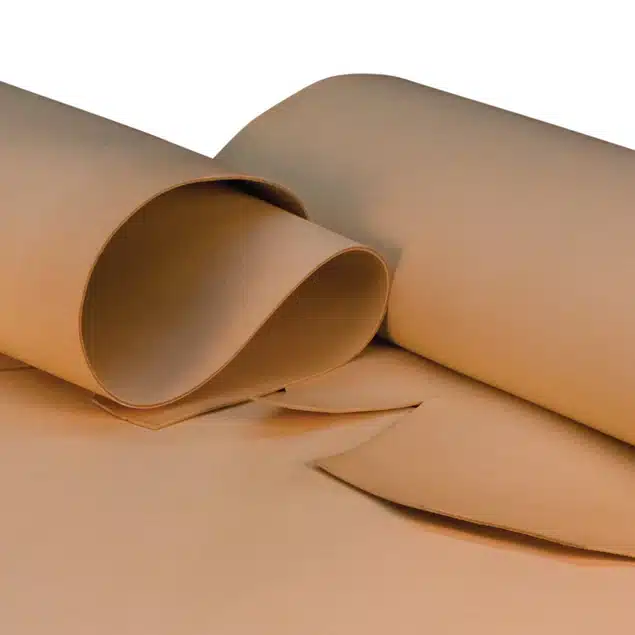


Pyrography has been a popular art form for centuries. One of the most interesting techniques that has developed over time is leather burning. Using this technique, you can create unique and beautiful pieces of leather art that are sure to impress.

One artist who has mastered this technique is Sahana Ajeethan. She recently created a stunning leather bracelet using this method, and the results are simply breathtaking. If you are interested in learning more about this technique, Sahana offers plenty of information on her webpage. She will even show you, step-by-step, how to create your own leather bracelet using this technique.
Best of all, it doesn’t take much time to master this technique, and with just five minutes a day, you could be well on your way to creating your own stunning pieces of art. (Ajeethan, 2015)

Upon stumbling upon this new technique, I must say that I am quite intrigued and eager to give it a go. However, I have yet to fully educate myself on the best approach to take. Thankfully, through a comprehensive search, I stumbled upon an incredibly informative article that dives deeper into the process of leather burning, authored by the talented artist Brenda Wilkie.
If you are interested in delving into the wonderful world of pyrography, specifically leather, you may want to check out Ms. Wilkie’s web page. There, she provides detailed instructions on the different sides of leather, the skin, and the flesh, and which one is the best to use for burning.
Furthermore, Ms. Wilkie notes that a specific tool is required for working with leather and even provides details on how to make it. Not only that, but she also outlines the importance of clean and smooth leather and how to process it correctly. To learn more about burning techniques and pyrography on leather, you must read Ms. Wilkie’s “How to Smooth and Burn Leather Pyrography Tutorial Wood-Burning” (Wilkie, 2018). Trust me, reading this tutorial will spark your interest, and you will want to try it out immediately.
Ms. Lora S. Irish is another extraordinary artist who specializes in leather pyrography art. On her website, lsirish.com, she showcases different samples of jewelry, purses, belts, journals, and various artworks that are both creative and stunning. You can also find many helpful videos on YouTube and Facebook that demonstrate techniques you can try in your own projects. The more you learn about the artistry of pyrography, the more techniques you’ll want to master. (Irish L. S., 2016)

If you too are interested in creating your own unique pieces of art through this medium, the article suggests that you start by acquiring a piece of raw leather that is tailored to the size of your project. One place you can rely on to procure this type of leather is at Tandy Leather (Tandy Leather, 2020),  which specializes in offering top-of-the-line products. Furthermore, it was noted that vegetable-tanned leather is the best option for those interested in pyrography, as it is a safer choice over other types of leather, which have been found to be carcinogenic and should be avoided at all costs.
It’s fascinating to explore new mediums, and paper is no exception! Although I haven’t yet had the chance to work with paper myself, I’m intrigued by the possibilities it offers. Recently, I stumbled across an informative article on Ms. Lora S. Irish’s website where she discusses the many benefits of using paper as a drawing surface. According to Irish, it’s an affordable alternative to materials like wood or gourds and works exceptionally well with watercolors.

In her article, she goes into great detail about the techniques and temperatures utilized when using the paper with watercolors. ? (Irish L. S., 2020)
You can find heavyweight watercolor paper weighing 140 pounds at retailers such as www.dickblick.com. These high-quality sheets go by the name of Arches Watercolor Blocks, which Irish recommends for creating beautiful pieces. It’s an excellent resource for artists who are getting started with paper as a medium.

Moreover, Valarie Connell, another talented artist, has produced an informative video on YouTube that explores the many different types of paper available for burning. (Connell, 2019)

Another way of doing pyrography is in a gourd. Gourd is a crop plant where the inside is hollow and the outside is a dried-out shell. Like pumpkins, squash, luffa, and melons.

To create a design, the gourd cannot have any paint, stain, dye, or protective spray. Sand the shell with exceptionally fine sandpaper. Place the gourd on a flat surface and look at it to see what design to use.
You need to divide the gourd into different sections and make a guide to place the design. There is a special paper used to transfer images to these types of surfaces. Pyro paper can print the image using an inkjet, laser, or copier. With this paper, you can apply it to the surface of the gourd and burn right through it; it will not smolder, burn outwards, or melt.

Arizona Gourds is where I discovered a stunning example of gourd artwork. They demonstrate how to work with a gourd to create art in three steps on their website. (Gourds A. , 2002)
Many items for using gourds as art materials are available for purchase. similar to the vibrant alcohol ink you can use to paint the gourds. InLace Metallic Dust, sculpting clay, specialized carving and cutting implements, inlay supplies, and more are all readily available.
There is also a connection to Bonnie Gibson’s website there. She is an extremely gifted artist. She offers both gourd tutorials and tutorial packets for sale on her website.

Additionally, she has a book available on Amazon called Gourds with Southwestern Motifs. She discusses the gourd, from plant growth to finished gourd artwork. We can all benefit from Ms. Gibson’s experience. (Gibson, 2021)


Diógenes Giorlandino, an artist from Argentina, has been creating art despite the difficult times in his country. He has stopped working with wood and is now focusing on pyrography on gourds. He is enjoying this new material and has made many great pieces in different styles. (Menéndez K. M., Carvers Companion, 2002)

